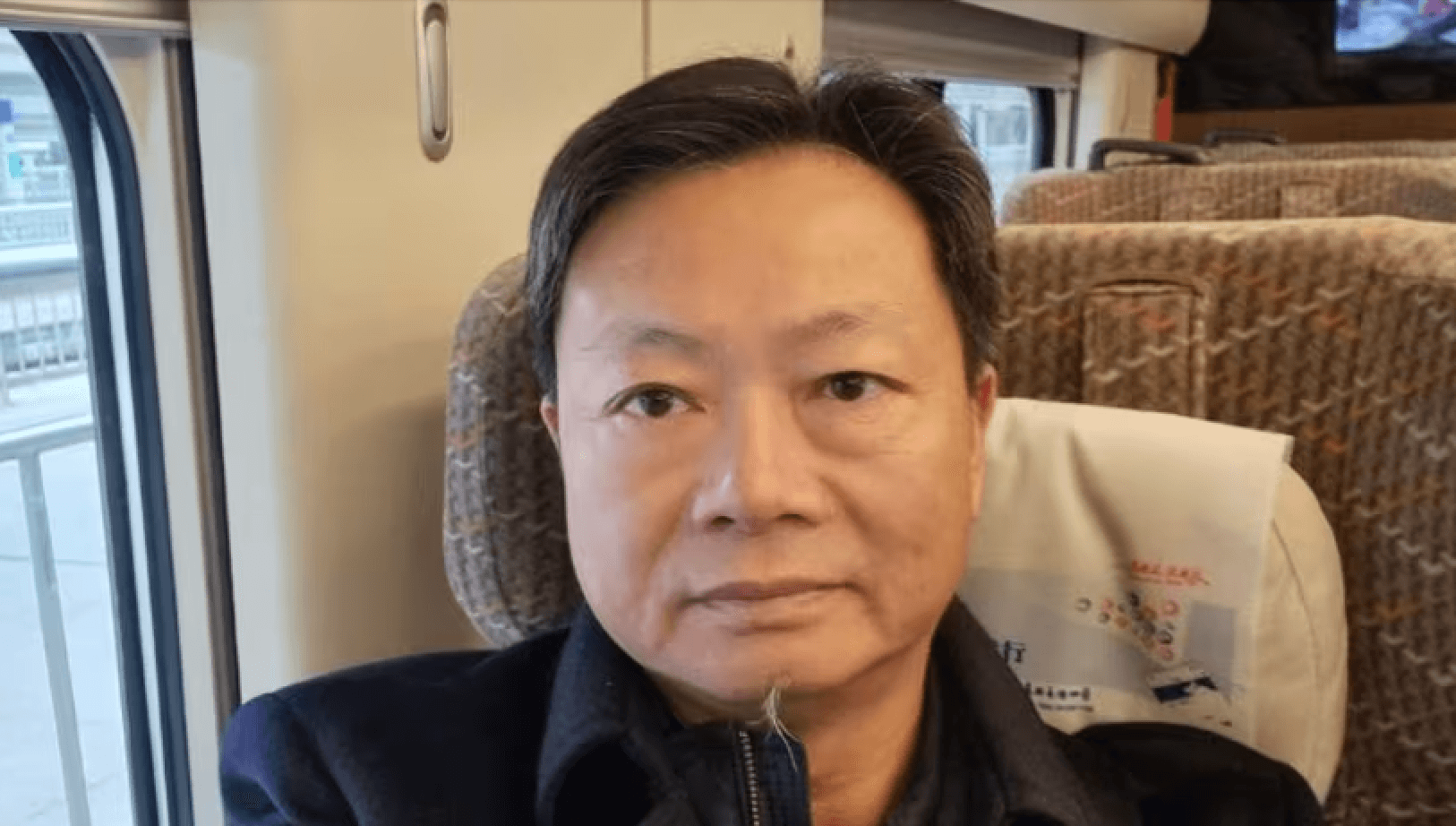


Indonesian authorities have arrested Listyo Sigit Prabowo, the country’s former national police chief who had been serving in the president’s inner circle as chief of staff, on allegations he illegally intercepted communications belonging to President Prabowo Subianto and other senior government officials.
Two other senior police officers were arrested alongside him: Ahrie Sonta Nasution, chief of the National Police’s Legal Division, and Inspector General Eko Hadi, suggesting the alleged operation involved coordination across multiple levels of the force’s leadership rather than a single rogue actor.
The accusations go well beyond a routine surveillance overreach. Officials have characterized the alleged conduct as potentially constituting treason and a threat to state security, language that signals prosecutors view the wiretapping not as a procedural violation but as a direct attack on the president’s own safety and the integrity of the government around him.
President Prabowo responded immediately by dismissing Listyo from his position as chief of staff following the arrests, severing ties with a figure who had moved from leading the national police force into one of the most trusted roles inside the presidential administration, a rapid fall for someone who had sat close to the center of power.
That trajectory, from national police chief to presidential chief of staff to criminal suspect accused of wiretapping the president himself, has fueled speculation about deeper political tensions, particularly around Listyo's relationships with figures from previous leadership and whatever rivalries or loyalties shaped his conduct inside an administration he was supposed to be serving.
A presidential spokesperson has confirmed the case carries serious national security implications without detailing the specific technical methods allegedly used to intercept the communications, leaving open questions about how extensive the surveillance was, how long it ran, and how it was ultimately discovered.
The arrests mark one of the more significant internal security breaches of Prabowo's presidency, striking at a dynamic few governments plan for: a threat emerging not from an external adversary but from the very security apparatus and inner circle meant to protect the head of state, now facing prosecution for allegedly doing the opposite.